
Septic tank pumping
One of the most important responsibilities of owning a septic tank system is arranging regular septic tank pumping. Also known as septic tank emptying, this essential maintenance prevents your tank from overflowing, failing or causing costly damage to your property.
By removing accumulated solid waste, septic tank pumping keeps your system working efficiently and can help your septic tank last for decades.
What is septic tank pumping?
Septic tank pumping and septic tank emptying refer to the same process: removing solid waste from your septic tank.
Septic tanks separate solid waste and liquid wastewater and treat them differently. Liquid effluent flows out of the tank and into a drainage or leach field, where it is naturally filtered by the soil. Solid waste, however, settles at the bottom of the tank and remains there.
Because a septic tank has limited capacity, this solid waste must be professionally removed at regular intervals. If septic tank pumping is neglected, solids build up and begin to cause serious problems, including:
- Blocked drains and slow drainage
- Wastewater backing up into sinks and toilets
- Strong sewage odours
- Overflowing tanks and waste spilling onto your property
Fortunately, all of these issues are completely preventable with routine septic tank emptying.
Why should I invest in septic tank pumping?
Regular septic tank pumping services are essential for both performance and longevity.
First and foremost, pumping prevents solid waste from clogging your system and causing backups and blockages. Once wastewater begins backing up, you can quickly end up with overflowing toilets, foul-smelling drains and even flooded floors inside your home. Such an event also comes with serious health risks, including typhoid.
In some cases, excess pressure in the system can force wastewater out through drainage pipes outdoors. This creates smelly, contaminated areas on your property and posing environmental risks. This can also have a negative effect on your neighbours.
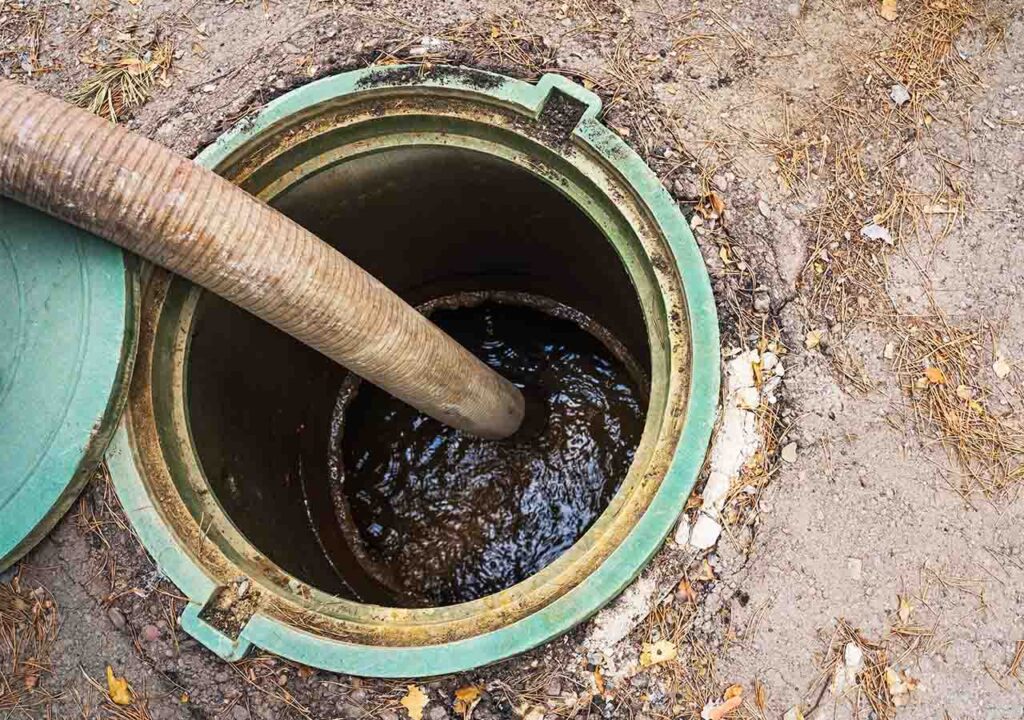
Just as importantly, routine septic tank emptying significantly extends the lifespan of your septic tank. A tank under constant strain due to lack of maintenance will fail far sooner than one that is emptied regularly. The cost difference between septic tank pumping and full tank replacement is substantial.
Keeping your tank clean also protects the beneficial bacteria that naturally break down waste. Excess solids can disrupt the chemical balance inside the tank, killing these bacteria and preventing proper wastewater treatment, often resulting in persistent odours and system inefficiency.
How often should you have a septic tank emptied?
There is no one-size-fits-all answer to how often septic tank pumping is required. It depends on several factors, including the size of your septic tank, the number of people using the system, how frequently the property is occupied and whether it is a main residence or a holiday home.
For example, a septic tank serving a large family home will need emptying more often than one at a second or seasonal property, or where only one person regularly lives.
If you’re unsure when your tank was last pumped, or how often it should be emptied, give us a call. We can assess your system, provide expert advice and recommend a suitable septic tank emptying schedule.
Septic tank pumping in Scotland and Northern England
Professional septic tank pumping in Scotland and the north of England is a vital part of keeping your wastewater system safe, efficient and long-lasting. Regular emptying prevents overflows, eliminates odours and protects your property from flooding and contamination. Whether you need routine maintenance or an urgent septic tank emptying service, our experienced team is here to help.
Contact us at Septic Tank Services today to discuss your septic tank pumping needs and arrange an inspection or emptying service.